Buying your first place in Valley Village can feel like trying to hit a moving target. Prices are high, inventory can be mixed, and many homes come with a long history that is not always obvious from the listing photos. The good news is that if you know what to expect, you can shop with more confidence, protect your budget, and make smarter decisions. Let’s dive in.
Valley Village starter homes look different
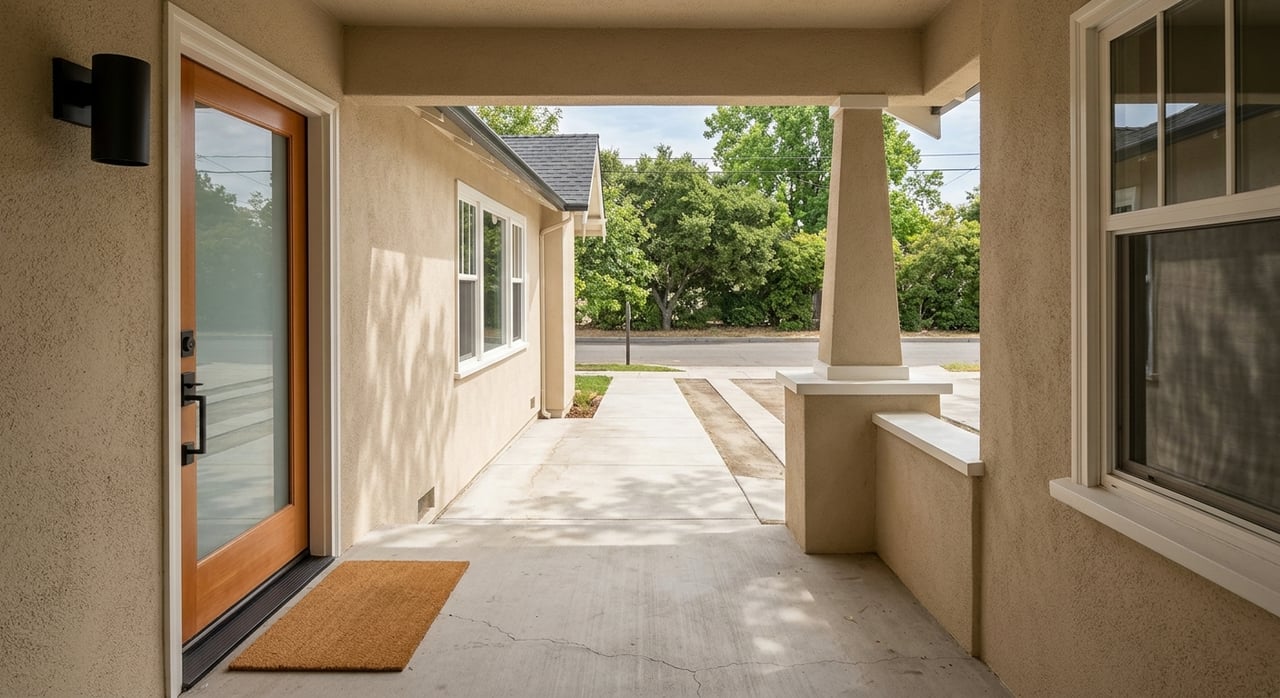
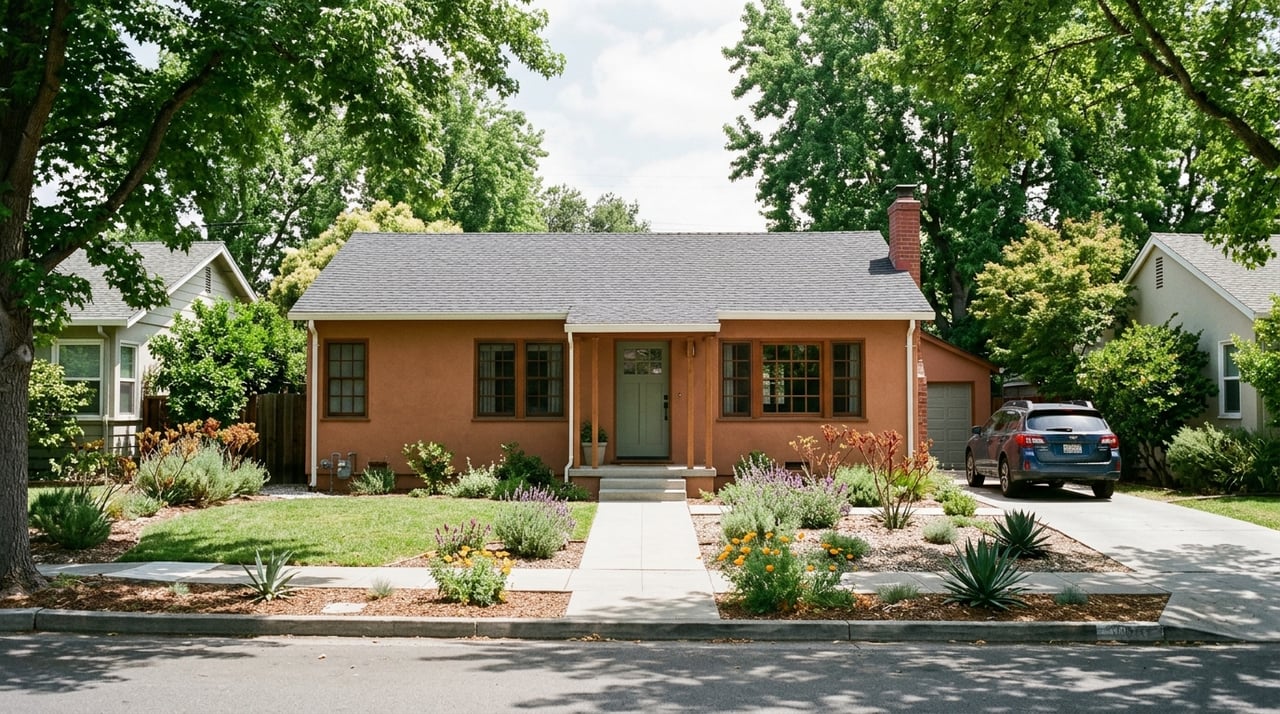
If you picture a starter home as a brand-new small house, Valley Village may surprise you. Much of the area’s housing stock dates back to the 1940s, and Los Angeles City Planning identifies historic residential areas with one-story single-family homes on modest lots, detached rear garages, and low-scale multi-family buildings from the early 1940s.
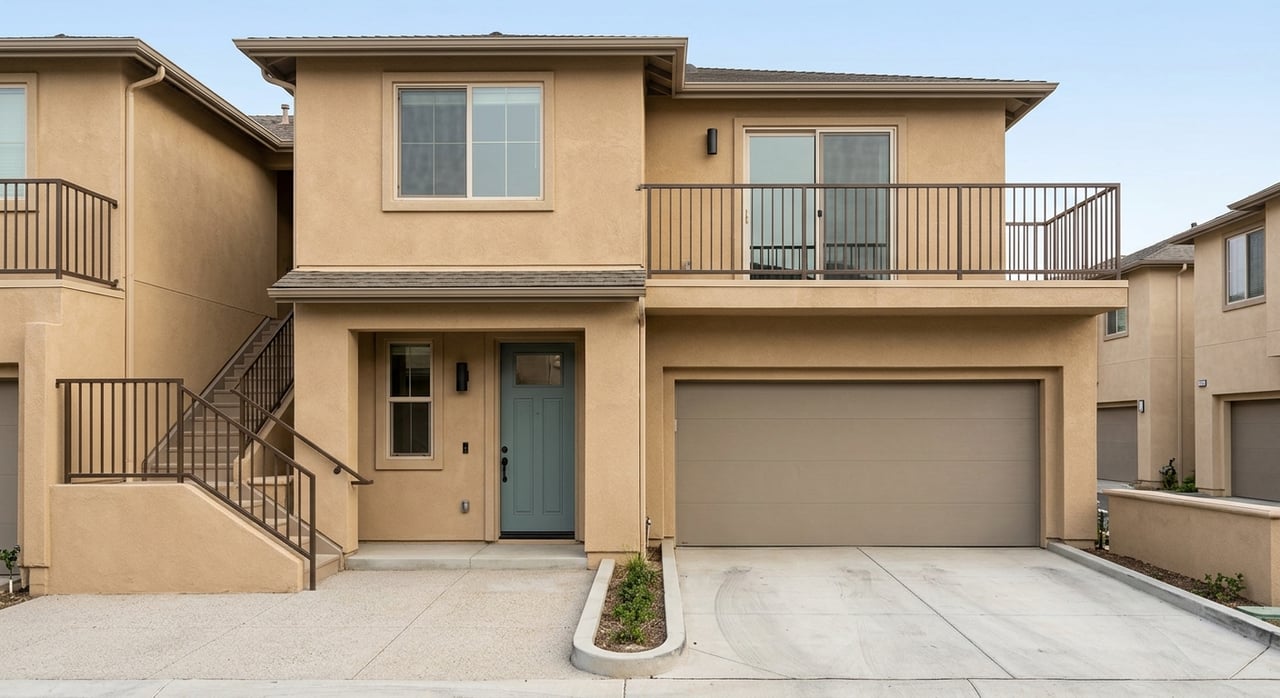
That matters because your starter-home options here are often older detached homes, condo units, or smaller townhomes rather than new construction. For many buyers, the path into Valley Village starts with an attached home first and a detached house later.
Current condo and townhome search results also show why attached housing gets so much attention in this neighborhood. Examples have ranged from about $399,000 to $695,950, with sizes from roughly 810 to 1,608 square feet. That does not define every listing in the market, but it does show a more accessible entry point than many detached homes.
Prices require a realistic plan
Valley Village is still a seven-figure market overall. Redfin reported a median sale price of $1,099,630 for the three months ending May 2026, while Realtor.com’s June 2026 snapshot showed a median listing price of $1.3 million and a median sold price of $1.38 million.
Those numbers tell you something important. Even if you are shopping for a starter home, you are not shopping in a low-cost market. You need to define your ceiling early and build your search around the full monthly cost, not just the purchase price.
Mortgage rates also shape what feels affordable. Freddie Mac reported a 30-year fixed average of 6.55% on July 16, 2026, and on a $1.1 million purchase with 10% down, the principal-and-interest payment works out to about $6,290 per month. Add California’s 1% base property tax, and the rough total rises to about $7,207 before insurance, HOA dues, maintenance, or direct assessments.
Your first-year costs may be higher than expected
One of the easiest mistakes buyers make is underestimating taxes and ownership costs. In Los Angeles County, property tax bills can include more than the 1% base rate, including voted indebtedness and direct assessments.
The County also notes that supplemental tax bills are mailed directly to the property owner after a change in ownership. That means your first-year tax picture may not look exactly like the prior owner’s bill. If you want less financial stress after closing, it is smart to budget conservatively from the start.
For attached homes, you should also factor in HOA dues and possible future costs. A lower purchase price can help you get in the door, but weak HOA reserves or planned assessments can change the real monthly picture quickly.
Competition is real, but not every listing is a bidding war
Starter-home buyers in Valley Village often expect chaos, but the market is a little more nuanced than that. Realtor.com’s June 2026 snapshot showed a 99% sale-to-list ratio, and both Realtor.com and Redfin reported homes generally taking about 45 to 54 days to sell.
That suggests a market where well-priced homes can still move, but not every property demands a dramatic overbid. Some homes will attract fast action, while others may give you room to negotiate depending on condition, pricing, and presentation.
This is why preparation matters so much. You want to be ready to act quickly without letting urgency push you into a payment or property that does not make sense.
What strong preparation usually looks like
- Get fully pre-approved before you tour seriously
- Set a clear monthly payment limit
- Know how much cash you want to keep in reserve after closing
- Review likely repair and maintenance costs for older homes
- Stay open to condos or townhomes if detached homes stretch the budget too far
Older homes need closer review
Because so much of Valley Village developed decades ago, condition should be one of your biggest focus areas. In an older neighborhood, you should assume there may be repairs or updates needed until inspections and disclosures show otherwise.
California’s disclosure rules make this especially important. The California Department of Real Estate says the seller’s Transfer Disclosure Statement addresses the property’s physical condition and known hazards or defects, and the buyer’s agent is expected to conduct a visual inspection and disclose readily observable issues.
In practical terms, that means you should expect paperwork, questions, and due diligence. It also means inspections should not feel optional, especially if you are buying an older detached house.
Systems and issues buyers often watch closely
- Roof age and condition
- Plumbing updates or older piping
- Electrical service and panel condition
- Foundation movement
- Drainage around the home
- Past alterations or additions
The California Seismic Safety Commission also requires delivery of earthquake safety materials for homes built before 1960 when they are sold. Since many Valley Village homes fall into that age range, seismic disclosures are a normal part of the process.
Condos and townhomes come with a second layer of due diligence
If you buy an attached home, you are not just evaluating the unit. You are also evaluating the homeowners association. That means your research goes beyond finishes, floor plans, and monthly dues.
California law requires an annual budget report and an Assessment and Reserve Funding Disclosure Summary. These documents can help you understand reserve funding, possible special assessments, and whether the HOA appears financially stable.
This is one of the biggest tradeoffs with attached homes in Valley Village. They can be more attainable up front, but they can also carry shared financial risk if the building needs work and reserves are thin.
Questions to ask about an HOA
- How much are the monthly dues?
- Are reserves adequately funded?
- Are there planned special assessments?
- Has the HOA budget increased significantly?
- Are there major building repairs on the horizon?
Offer strategy should balance speed and caution
In Valley Village, a competitive offer is not always the same thing as a reckless one. In many cases, the better strategy is to move quickly, stay organized, and tighten timelines where appropriate instead of removing protections you may need.
That approach makes even more sense in a neighborhood with older housing stock and detailed California disclosure requirements. Shorter contingency periods may help your offer feel stronger, but waiving inspection rights entirely can add serious risk unless you already understand the property in depth.
A practical offer strategy often includes three things: a clean financial package, a realistic budget ceiling, and discipline about what risks you are actually willing to take. That helps you compete without overextending.
Assistance programs may help some buyers
For some Valley Village buyers, closing costs and down payment needs are the biggest hurdle. CalHFA says it offers first-mortgage options plus down payment and closing cost assistance for eligible low- and moderate-income buyers, and some programs require homebuyer education.
That kind of support will not make Valley Village inexpensive, but it may make the purchase more sustainable. If you qualify, it can help you preserve cash and avoid stretching beyond a monthly payment that feels comfortable.
Why guidance matters in this market
There is a reason so many buyers lean on professional help. NAR’s 2025 Profile of Home Buyers and Sellers found that 88% of buyers used a real estate agent or broker.
In a neighborhood like Valley Village, that support can be especially useful. Between older homes, disclosure review, HOA documents, pricing shifts, and tight timelines, a steady process can make your search feel far less overwhelming.
If you are buying your first home here, the goal is not just to win a house. It is to buy a home you can afford, understand, and feel good about owning after the keys are in your hand.
If you want practical guidance on buying a starter home in Valley Village, Brandon Kaufman can help you compare options, understand the numbers, and move forward with a clear plan.
FAQs
Is a detached starter home realistic in Valley Village?
- Yes, but it is often an older home that may need updates rather than a newer or recently renovated property.
Are condos or townhomes a more realistic first purchase in Valley Village?
- Often, yes. Current listing examples show attached homes can offer a lower entry price than many detached properties in the neighborhood.
Should I expect repairs when buying a starter home in Valley Village?
- Yes, that is a reasonable planning assumption in an older neighborhood until disclosures and inspections show otherwise.
How competitive is the Valley Village housing market for starter-home buyers?
- Competition is real, but not every home is a frenzy. Recent market snapshots suggest well-priced homes can move steadily without requiring extreme overbids in every case.
What should I review before buying a Valley Village condo or townhome?
- Review HOA dues, reserve funding, the annual budget report, and any signs of future special assessments so you understand the full financial picture.