If you are thinking about renting in Pico-Robertson, one thing becomes clear fast: this is not a bargain pocket of Los Angeles. You are looking at a popular Westside neighborhood with a renter-heavy housing stock, older buildings, and a wide range of lease options that can feel hard to compare at first glance. The good news is that once you understand how pricing, housing types, and local rules fit together, you can make smarter decisions and avoid surprises. Let’s dive in.
Pico-Robertson Rental Market Basics
Pico-Robertson sits in West Los Angeles, just south of Beverly Hills and east of Century City. It stands out for everyday convenience, strong walkability, and solid transit access, which helps explain why it stays in demand with renters.
At the same time, this is a neighborhood where many residents still rely on cars. Point2Homes reports that 90.3% of residents commute by personal vehicle, so practical features like parking, easy access, and building convenience often matter just as much as location.
What Rentals Look Like Here
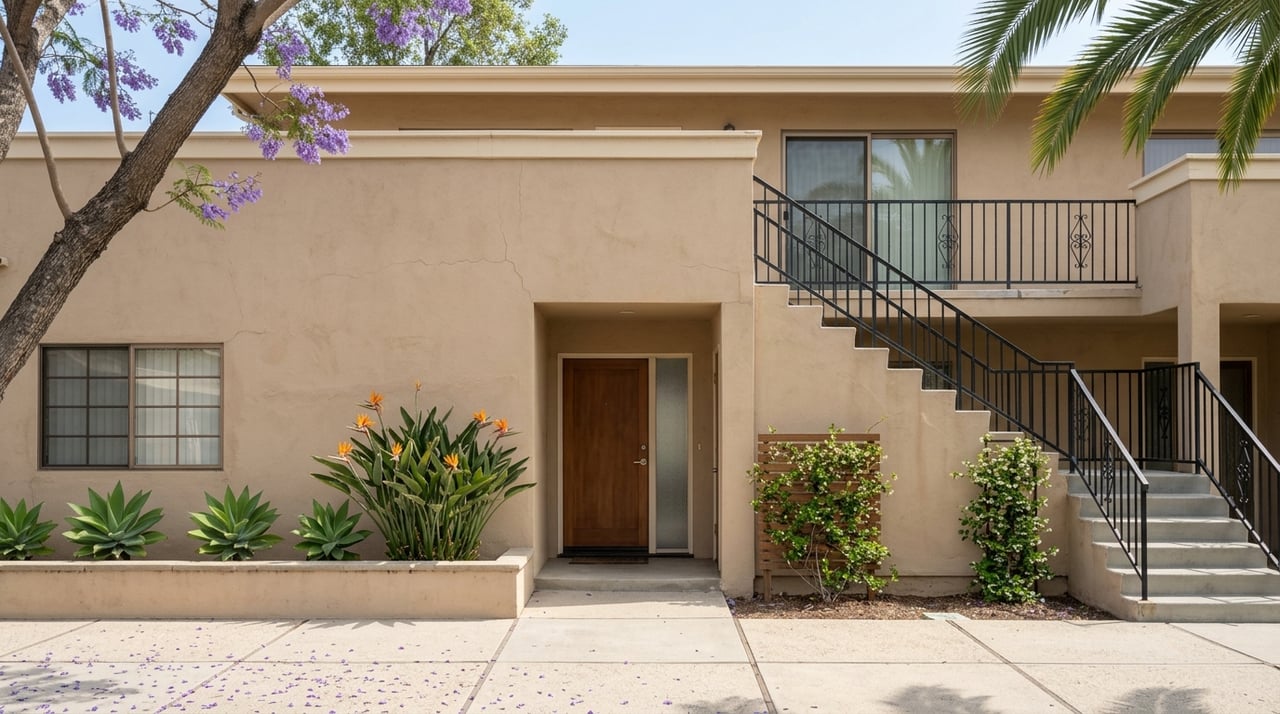
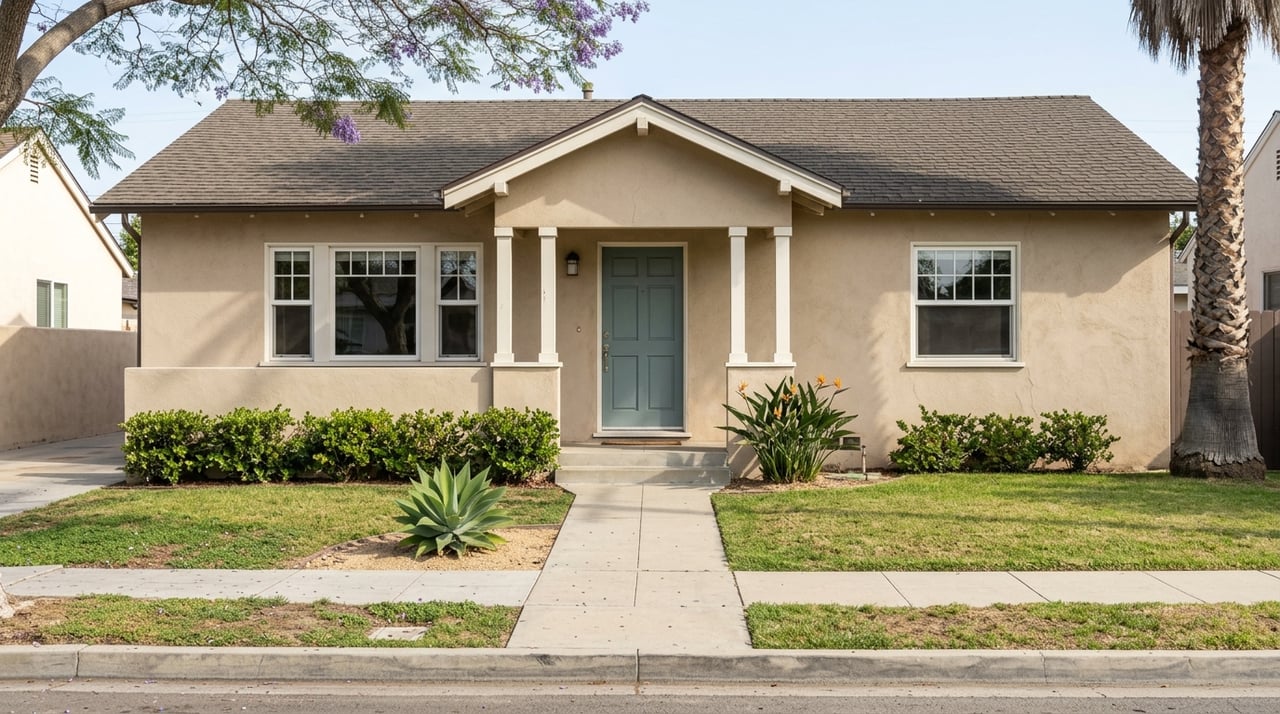
Pico-Robertson is not mainly a high-rise rental market. The housing mix leans heavily toward older, lower-rise properties, including duplexes, smaller apartment buildings, condos, townhomes, and detached houses for lease.
Point2Homes reports 7,035 housing units in the neighborhood, with 69.5% renter occupancy. The structure mix includes a large share of two-unit, 3-to-4-unit, 5-to-9-unit, and 10-to-19-unit buildings, along with detached single-family homes.
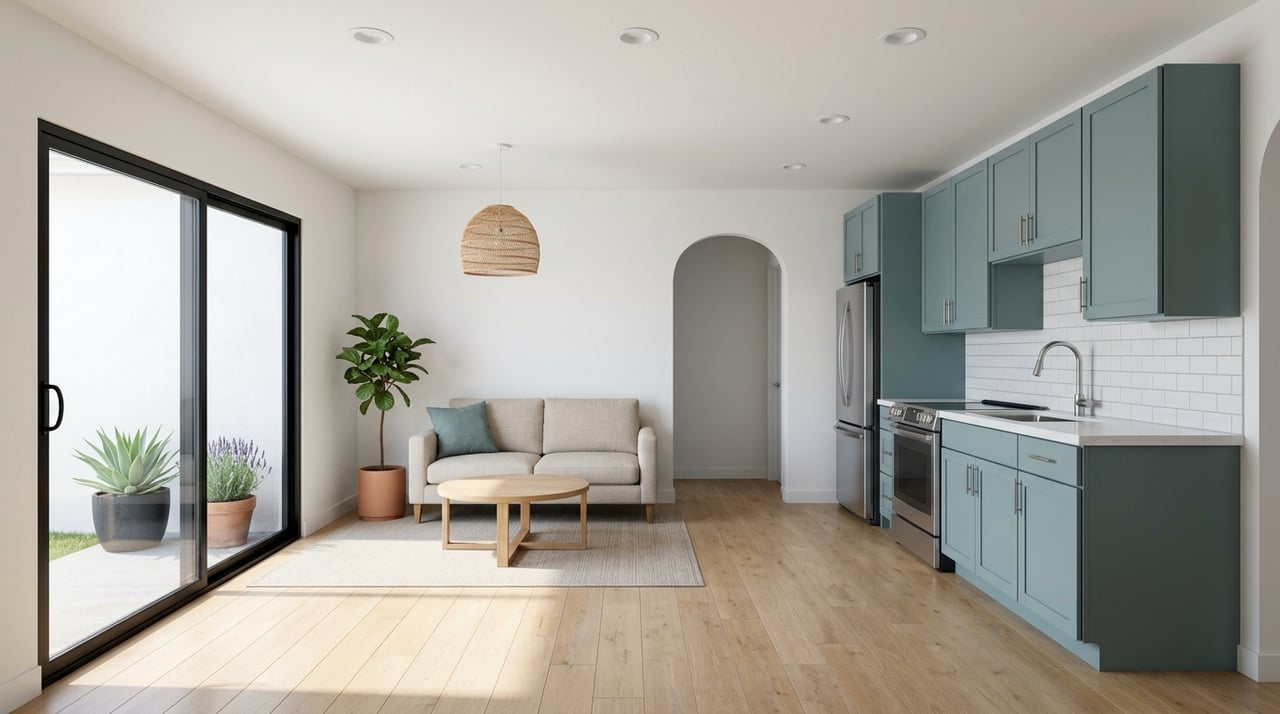
That matters because it creates a lot of variation from one listing to the next. You may see major differences in floor plan, updates, storage, parking, laundry, and overall condition even among rentals with similar asking prices.
Pico-Robertson Rent Prices
Published rent numbers vary depending on the source and what types of rentals are included. That is normal in a neighborhood with a mix of apartments, condos, townhomes, and houses.
Apartments.com reported average rents in June 2026 at $1,631 for studios, $2,037 for one-bedrooms, $2,852 for two-bedrooms, and $4,063 for three-bedrooms. Realtor.com, which reflects a broader active-rental pool, showed a median rent of $3,997 in April 2026 across 186 active rentals.
Point2Homes reported a median gross rent of $2,557. The best way to read these numbers is this: smaller apartments often land in the low-$2,000s, while larger units and house-style rentals can move well into the mid-$3,000s and beyond.
How Pico-Robertson Compares to Los Angeles
Pico-Robertson generally rents above citywide Los Angeles apartment medians. Apartment List’s June 2026 report put Los Angeles medians at $1,850 for a one-bedroom and $2,360 for a two-bedroom, which places Pico-Robertson on the stronger side of the market, especially for larger units.
In practical terms, you should think of Pico-Robertson as a premium Westside submarket. It may not have the luxury-tower feel of some nearby areas, but it still commands higher rents because of location, livability, and consistent demand.
Why the Market Feels Competitive
Pico-Robertson draws renters who want a central Westside location without limiting themselves to only one housing type. The neighborhood offers apartments, condos, townhomes, houses, and some furnished or short-term options, which gives you flexibility but also creates a lot of competition for well-priced listings.
Realtor.com showed 186 active rentals in April 2026, so there is real inventory to choose from. Still, units that combine good condition, practical features, and realistic pricing may not sit for long.
The broader Los Angeles rental market has loosened somewhat. The Los Angeles Times reported vacancy at 5.3% in December 2025 after a large wave of new multifamily completions, which suggests renters may have slightly more room to compare options than during the tightest stretch of the cycle.
Amenities That Matter Most
In Pico-Robertson, amenities are often less about flashy extras and more about everyday function. Apartments.com highlights common renter search filters such as parking, in-unit washer and dryer, air conditioning, furnished units, pet-friendly policies, utilities included, and gated access.
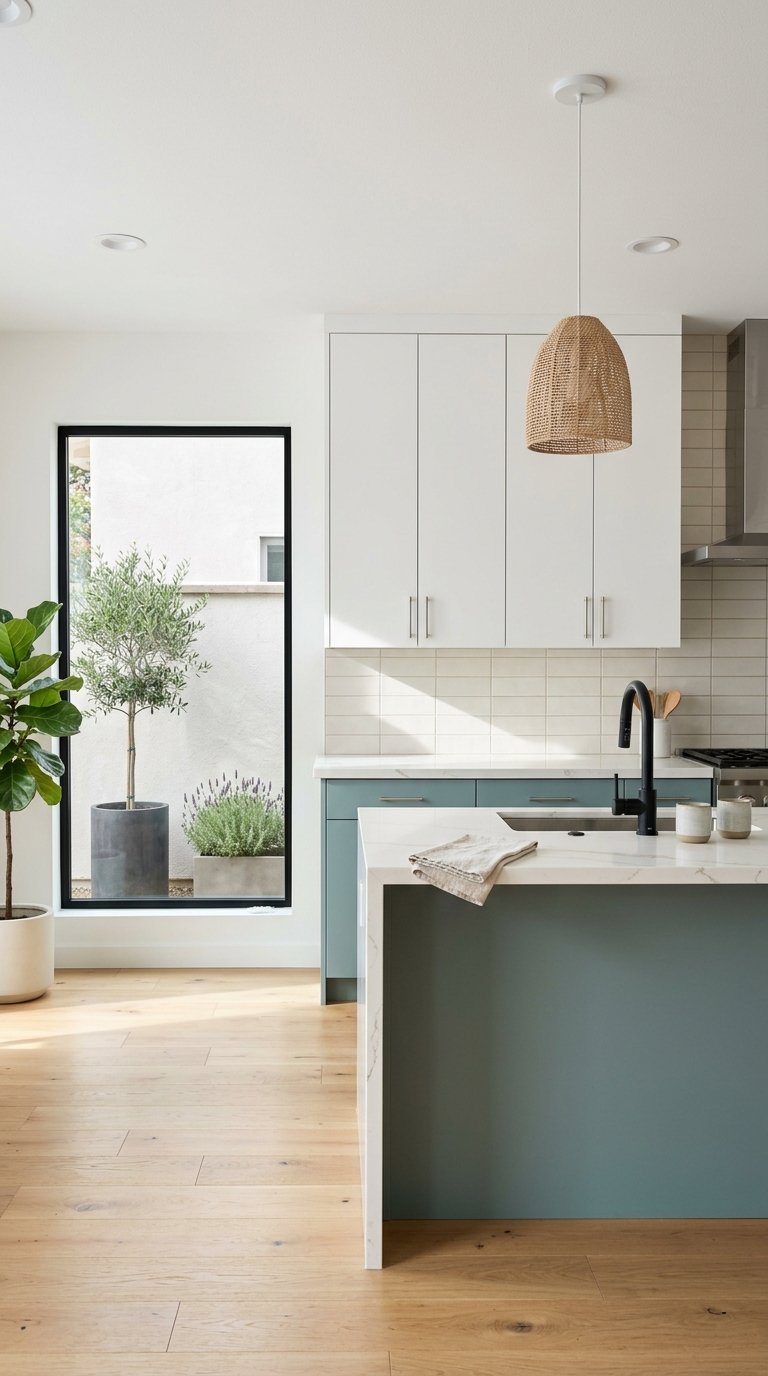
Because many residents drive, parking can carry real value. In a neighborhood with older buildings, features like updated kitchens, on-site laundry, better storage, and move-in condition can also make a meaningful difference in both price and leasing speed.
Common Lease Terms
Twelve-month leases are the local standard. Some 24-month leases and short-term options do show up, but most renters should expect a typical one-year term unless a listing says otherwise.
If you are looking at a detached house or a larger family-size rental, pricing can rise quickly. Apartments.com examples in the neighborhood included a 2-bedroom house at $3,450, several 3-bedroom homes in the mid-$4,000s to low-$5,000s, and a 4-bedroom listing at $6,500, mostly on 12-month leases.
Why Older Buildings Matter
A large share of Pico-Robertson housing was built decades ago. Point2Homes reports a median construction year of 1961, and taken together with city planning context, about 75.3% of the housing stock was built before 1980.
For renters, that can be a plus and a tradeoff at the same time. Older properties may offer more character, larger layouts, and better location value than some newer products, but they may also come with more variation in finishes, systems, and building rules.
Rent Stabilization and Local Rules
This is one of the most important parts of renting in Pico-Robertson. Because so much of the neighborhood housing stock is older, many units may fall under Los Angeles local rental rules.
According to the Los Angeles Housing Department, a unit is generally subject to the city’s Rent Stabilization Ordinance if it was built on or before October 1, 1978, with coverage extending to many apartments, condos, townhomes, duplexes, certain multi-unit single-family configurations, and some other residential unit types. Detached single-family homes that are the only residential structure on a parcel are generally not covered by the RSO.
For many non-RSO units, other protections may still apply. LAHD says the city’s Just Cause Ordinance applies to many tenancies, and state AB 1482 may cap rent increases for some older units that are not otherwise exempt.
Current Rent Increase Rules
If you are comparing listings, it helps to know that the rules may differ by unit type. LAHD states that the annual allowable increase for RSO units is 3% for July 1, 2025 through June 30, 2026.
LAHD also states that for AB 1482-covered units, the current cap is 8% from August 1, 2025 through July 31, 2026. On top of that, the city says landlords can no longer include an additional percentage increase for utilities on notices served on or after February 2, 2026.
You do not need to become an expert on local housing law before you rent, but you should understand whether a unit may be covered by RSO, Just Cause, or AB 1482. That can affect how future rent increases and tenancy rules work.
Security Deposits to Expect
Security deposit rules have changed in ways that many renters may find helpful. Under California Civil Code Section 1950.5, residential security deposits are generally limited to one month’s rent, in addition to first month’s rent.
There is a limited exception for some natural-person landlords, and LLCs made up entirely of natural persons, that may allow up to two months’ rent as security. If a deposit request feels high, it is worth asking how the landlord is structuring it and whether an exception applies.
How to Compare Listings Smartly
In Pico-Robertson, the advertised rent is only part of the picture. Because inventory varies so much by building age and property type, the better question is what you are actually getting for the monthly cost.
As you compare options, focus on:
- Parking availability
- Laundry setup
- Air conditioning
- Storage space
- Utilities included or not included
- Overall move-in condition
- Lease length
- Whether the unit may fall under local rent rules
A slightly higher rent can make sense if it solves daily pain points like parking, laundry, or commute convenience. On the other hand, a cheaper listing may not feel like a better deal once added costs and tradeoffs are clear.
Tips for Renting in Pico-Robertson
The most successful renters usually come in prepared. In a neighborhood where well-priced units can move quickly, you want your paperwork and decision-making process ready before you start touring seriously.
A simple game plan can help:
- Set a realistic budget based on total monthly cost, not just base rent.
- Decide which features are must-haves versus nice-to-haves.
- Ask about parking, laundry, and utility responsibilities early.
- Confirm lease length and move-in costs before applying.
- Ask whether the unit may be subject to RSO or other local protections.
That approach makes it easier to compare listings clearly and avoid rushed decisions.
Renting Versus Buying Here
For some people, Pico-Robertson is the kind of neighborhood they would gladly buy into if the math worked. But ownership remains expensive.
Zillow’s home value index for Pico-Robertson was $1,400,599 as of April 30, 2026, and Realtor.com showed a median listing price of $1.297 million in April 2026. That helps explain why many households continue renting here even when they want to stay in the neighborhood long term.
The Bottom Line on Pico-Robertson Leases
Pico-Robertson is best understood as a premium, older, regulation-sensitive rental market. You are not shopping in a bargain area, but you are also not limited to luxury towers or one-size-fits-all apartment product.
If you go in with clear expectations on price, housing type, amenities, and local rules, you can navigate the market with much more confidence. The right strategy is simple: compare total value, move quickly when a good fit appears, and make sure you understand the lease terms before signing.
If you want help evaluating a rental, comparing neighborhoods, or planning your next move on the Westside, connect with Brandon Kaufman for practical guidance and responsive support.
FAQs
What are typical rents for Pico-Robertson apartments?
- Smaller apartments often rent in the low-$2,000s, while larger units can reach the mid-$3,000s and higher. Apartments.com reported June 2026 averages of $2,037 for one-bedrooms and $2,852 for two-bedrooms.
Are Pico-Robertson rentals mostly apartments or houses?
- The neighborhood has a mix of apartments, duplexes, condos, townhomes, and detached houses for lease, but the housing stock is led by older small- and mid-size multifamily buildings rather than high-rises.
Do Pico-Robertson rentals fall under Los Angeles rent stabilization rules?
- Many may. LAHD says units built on or before October 1, 1978 are generally subject to the Rent Stabilization Ordinance, with coverage depending on the property type and setup.
What lease terms are common in Pico-Robertson?
- Twelve-month leases are the most common, although some 24-month leases and short-term options are also available in the neighborhood.
How much can a landlord charge for a security deposit in California?
- California Civil Code Section 1950.5 generally limits residential security deposits to one month’s rent, with a limited exception that allows some landlords to collect up to two months’ rent.
Is Pico-Robertson more expensive than the broader Los Angeles rental market?
- Yes, in general. Available data shows Pico-Robertson apartment rents run above citywide Los Angeles medians, especially for one- and two-bedroom units.