You love the energy of NoHo, but you’re craving more room, easier parking, and quieter nights. If that sounds familiar, you’re not alone. Many creatives and young families look to Valley Village as a nearby shift that adds space and calm without losing access to studios, transit, and the arts. In this guide, you’ll see how life changes when you move from NoHo to Valley Village, including housing, lifestyle, transit, schools, and what’s on the horizon. Let’s dive in.
Valley Village vs. NoHo at a glance
Valley Village sits just east of the NoHo Arts District and has its own neighborhood identity and council boundaries. You can view the local boundary overview on the Valley Village Neighborhood Council site. NoHo’s arts core clusters around Lankershim, Magnolia, and Chandler, with a well-known performance scene and nightlife documented in the NoHo Arts District overview.
From a demographic and housing-structure standpoint, the differences are clear at the ZIP level:
- In North Hollywood’s 91601 (which includes the Arts District), about 16.8% of homes are owner-occupied and 83.2% are renter-occupied, and the housing stock skews heavily multi-family. Source: Census Reporter 91601.
- In Valley Village’s 91607, owners represent about 29.9% and renters about 70.1%, with more single-family homes in the mix. Source: Census Reporter 91607.
In short: NoHo offers denser, transit-rich living close to theaters and nightlife. Valley Village offers a more residential feel with a higher share of detached homes and townhomes, while keeping you close to the same job centers.
Housing: what actually changes
The biggest shift is in the type of homes you’ll see and how they live day to day.
- Owner vs. renter balance. NoHo is predominantly renter-oriented, while Valley Village has a larger owner share. That often translates to more single-family options and townhomes in Valley Village.
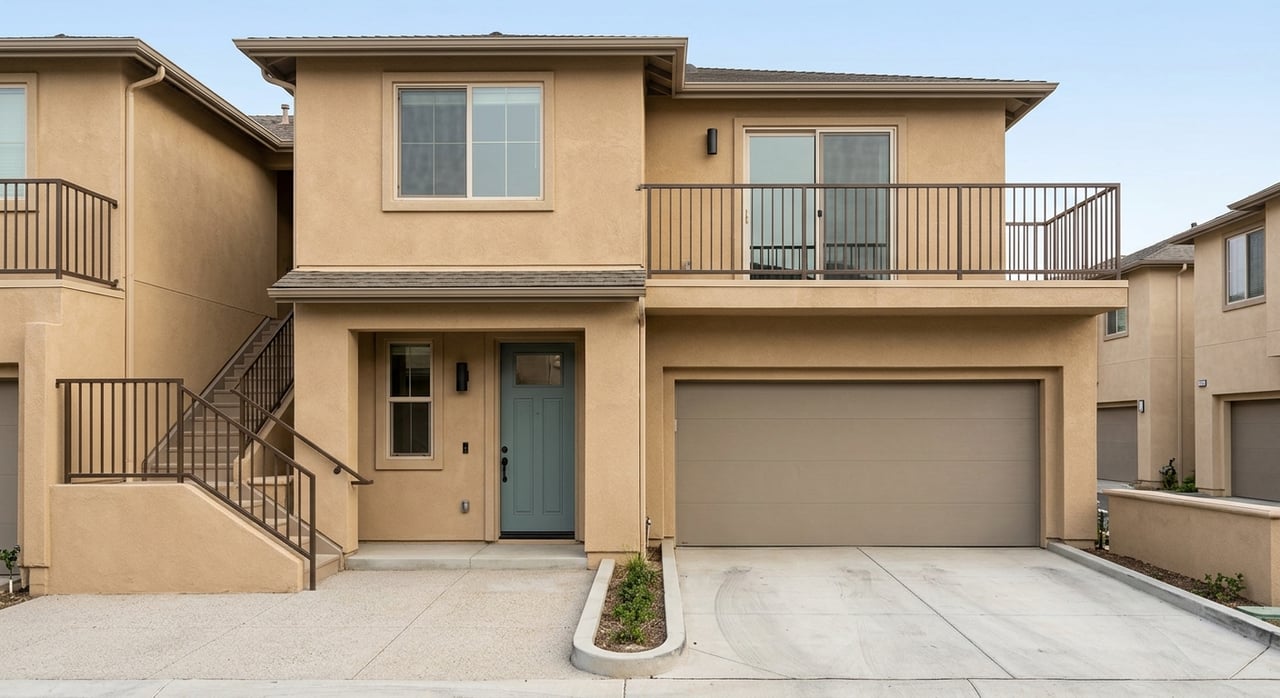
- Housing types. In recent ACS estimates, about 78% of 91601’s homes are in multi-family buildings. In 91607, roughly 32% are single-family and about 67% are multi-family. You’ll find more bungalows, ranch-style homes, and townhome communities in Valley Village, while NoHo concentrates newer apartments, lofts, and mixed-use buildings. Sources: Census Reporter 91601 and Census Reporter 91607.
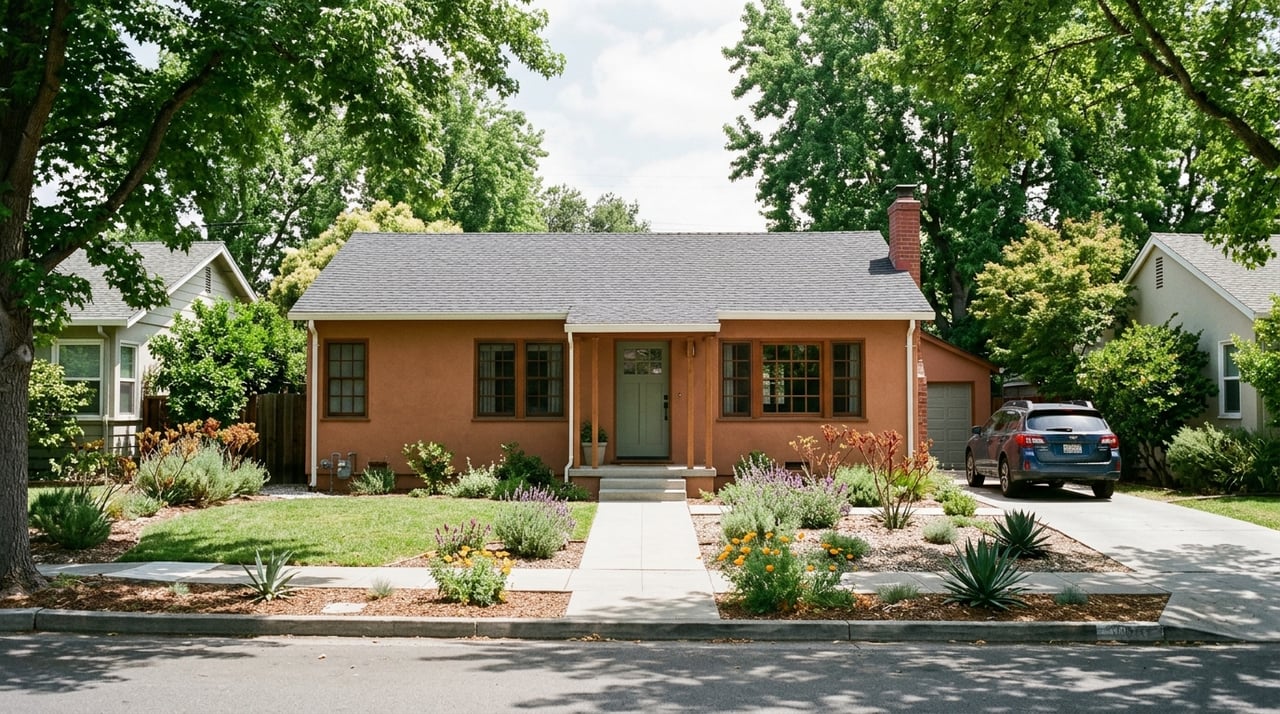
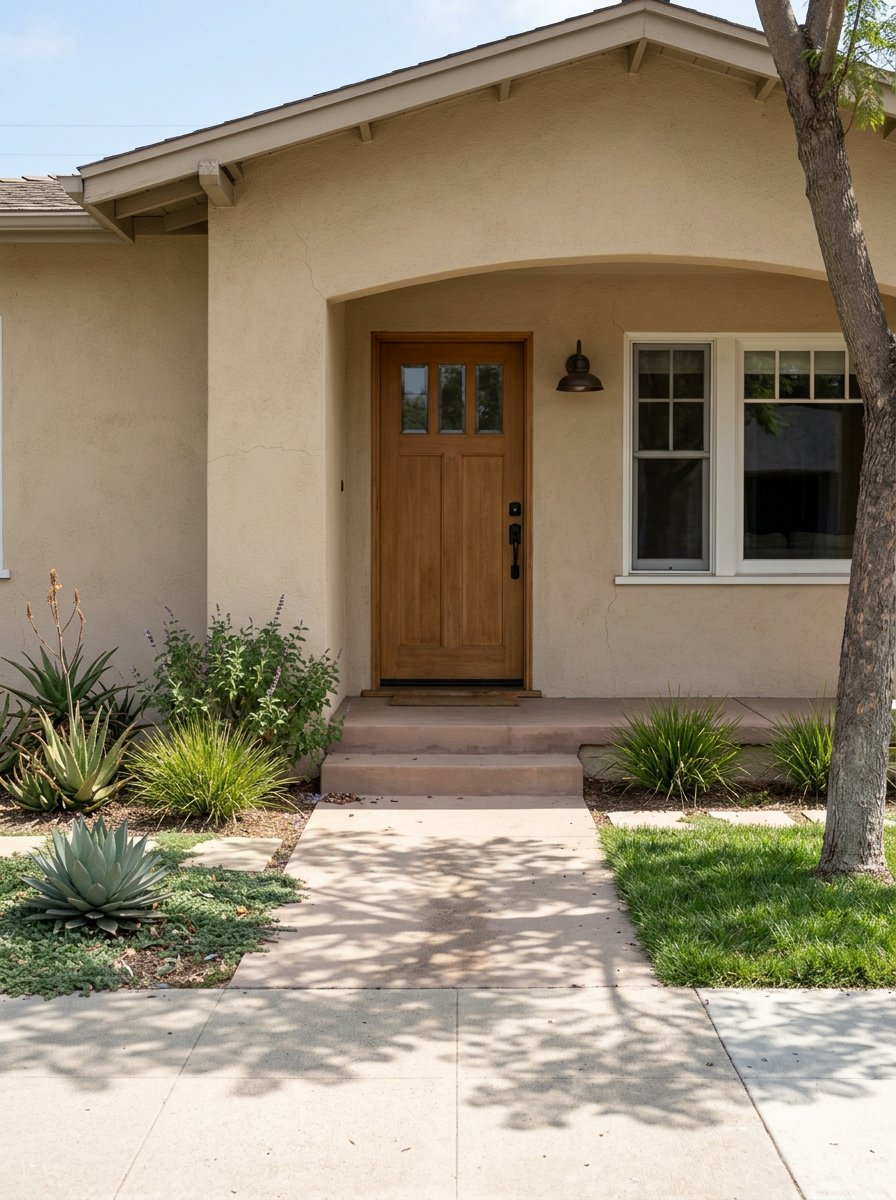
- Space and layout. If you’re moving from a compact rental or loft in NoHo into a Valley Village townhouse or house, you’re likely to gain interior square footage, more storage, and often a yard or garage. The neighborhood’s Design Guide reflects its mix of detached homes and low-rise multi-family buildings on quieter residential streets.
Prices and rents vary by block, building age, and amenities, but here’s how the market commonly sorts out:
- Home values. As of early 2025, platform snapshots often show Valley Village (91607) median sale prices in the roughly $1.0 million to $1.3 million range. Neighboring NoHo ZIPs often come in somewhat lower on average, though the Arts District’s newer luxury condos can push certain micro-areas higher. Use current MLS data to fine-tune for your address and property type.
- Rents. In 2025 snapshots, the NoHo Arts District shows several-thousand-per-month pricing for many 1–2 bedroom units in newer buildings. Valley Village often shows median rents in the low-to-mid $2,000s to $3,000s depending on size and vintage. Expect broad ranges: a new NoHo tower will price differently than an older Valley Village garden apartment or single-family lease.
If you’re weighing a move for space alone, Valley Village typically delivers more room, private outdoor areas, and on-site parking, especially if you target single-family homes or townhomes.
Lifestyle tradeoffs and wins
- Pace and nightlife. NoHo’s arts core brings later-night activity and a steady stream of events, with theaters, rehearsal spaces, and venues documented in the NoHo Arts District overview. Valley Village is quieter across most residential blocks. Activity concentrates on select stretches of Magnolia, Riverside, and Burbank Boulevard rather than a continuous entertainment corridor.
- Creative proximity. Both neighborhoods sit within quick reach of major studios and employment centers. Moving to Valley Village trades immediate nightlife access for a calmer residential base, but you remain a short drive or ride from the same gigs and offices.
If you want peace in the evenings but still plan to attend shows, classes, or rehearsals, Valley Village often strikes the right balance.
Parks and schools
Valley Village has several local parks and playgrounds within the City of Los Angeles system, including neighborhood spaces like Valley Village Park. You can browse facilities and programming through LA Parks.
For schools, nearby options often referenced by local buyers include Colfax Charter Elementary, Riverside Drive Charter, and Walter Reed Middle, with high school patterns that depend on your exact address. Enrollment zones and charter policies can change, so verify each address directly with LAUSD or the individual school websites before you decide.
Use neutral criteria when comparing schools: program offerings, commute, aftercare, and how a school’s schedule fits your routine. Plan a weekday drive during drop-off and pick-up to test real timing.
Transit and your commute
NoHo’s core is one of the Valley’s most transit-rich hubs. The North Hollywood Station connects the Metro B Line (subway) and the G Line (busway), plus several bus routes, which makes car-lite living realistic around the Arts District. Learn more about the station in the North Hollywood Station overview.
Valley Village is more residential in pattern. The western edge is walkable to NoHo Station from many addresses, while pockets farther east tend to be more car-dependent. At the ZIP-code level, the average commute times for 91601 and 91607 are broadly similar in ACS data, often in the mid-to-high 20s to around 30 minutes. Your actual door-to-door time will depend on where you live within the neighborhood and your route to work.
Pro tip: Before you move, test your most frequent trips at the times you’ll actually travel. Try a weekday morning drive to your studio or office and a quick evening grocery run to gauge real convenience from a specific address.
Public safety: how to research well
Safety varies block by block and by time of day in any large city. Rather than rely on broad labels or third-party scores, review recent incidents for the exact addresses you’re considering. The City of Los Angeles publishes incident-level data that you can search by map and filter by date range. Start with the City’s open-data resource: Crime Data from 2020 to Present. Combine that with a neighborhood walk at the hours you care about most, like early mornings or evenings.
What’s changing next
Two planning items may shape the area over the coming years:
- District NoHo. LA Metro approved a large joint-development project at the North Hollywood Station that will add new housing (including affordable units) and retail at the transit hub. Expect more pedestrian activity and a shifting retail mix over the build-out period. Read the announcement from LA Metro.
- Community plan updates. North Hollywood–Valley Village falls within the City’s community plan update work, which can influence future density and the form of commercial corridors. For current policy status and maps, check the Los Angeles City Planning project page.
If you are buying with a long horizon, review these resources to understand how retail, traffic, and housing options may evolve near any address you’re considering.
Quick decision checklist
Use this to stress-test your next move:
- How do you get to work or gigs? Time two or three typical trips from a Valley Village address and a NoHo address during real commute windows.
- Do you want private outdoor space or storage? If yes, prioritize Valley Village homes with yards and garages or larger townhomes.
- Is living inside the arts scene essential? If yes, a NoHo Arts District address keeps theaters and rehearsal spaces at your doorstep; Valley Village keeps you close, but not inside the action.
- How important is walkability or going car-lite? Score specific addresses, then test a grocery run, coffee, and your work route on foot or transit.
- What is the on-the-ground feel of the block? Walk it at the times you care about. Use the City’s open-data crime map for recent incidents at your target addresses.
- Which schools and parks matter to you? Map school options and park access from each address, and verify enrollment policies with LAUSD.
- What’s your budget flex? In early 2025, plan for Valley Village home prices often around the low-to-mid seven figures and a wide rent range based on building type; compare that to your current NoHo costs.
Bottom line
If you love NoHo’s energy but want more breathing room, Valley Village is a practical next step. You keep short, familiar drives to studios and venues, gain a calmer residential setting, and often step up in space, storage, and parking. The right decision comes down to the block, building type, and your daily routine.
If you want local guidance, address-by-address comparisons, or a tailored shortlist of homes, reach out to Brandon Kaufman for buyer and seller representation, rentals and leasing, property valuation, and neighborhood advice. Request a Free Home Valuation or Schedule a Consultation.
FAQs
What changes most when moving from NoHo to Valley Village?
- You usually trade immediate arts/nightlife access for more residential calm, larger living spaces, and better odds of a yard or garage.
Are Valley Village home prices higher than NoHo’s?
- Often yes: as of early 2025, Valley Village (91607) median sale prices commonly fall around $1.0 million to $1.3 million, while nearby NoHo areas often average somewhat lower, with micro-area exceptions.
Is Valley Village walkable and near Metro?
- Parts of western Valley Village are a short walk to North Hollywood Station; farther east is more car-dependent, so test your exact address for transit access.
Which schools commonly serve Valley Village addresses?
- Buyers often reference Colfax Charter Elementary, Riverside Drive Charter, and Walter Reed Middle; always confirm attendance zones and enrollment policies directly with LAUSD.
How do I compare commute times between the two areas?
- Run door-to-door tests for your real routes at commute hours; ACS data suggests similar average commute times by ZIP, but block-level location and traffic patterns matter most.
How can I research safety before I move?
- Use the City’s incident-level database to check recent reports around the exact addresses you’re considering and combine that with visits at your typical hours.
What is District NoHo and why does it matter?
- It’s a large, mixed-use project at North Hollywood Station that will add housing and retail, likely increasing pedestrian activity and amenities over time.