If living within walking distance of shuls is one of your top priorities, Pico-Robertson stands out for a reason. This part of Los Angeles is built around a practical, everyday pedestrian rhythm, with shuls, kosher markets, bakeries, and casual dining clustered along and near Pico Boulevard. If you are thinking about buying here, it helps to understand how the neighborhood functions block by block so you can match your budget, route, and home type to the lifestyle you want. Let’s dive in.
Why Pico-Robertson Works for Walkability
Pico-Robertson is less about one central square and more about a corridor-focused lifestyle. According to Los Angeles City Planning, the Pico-Robertson Commercial Planning District is a seven-block stretch on Pico Boulevard with one-story storefronts, wide sidewalks, and shops accessed from the front.
That layout matters when you are buying with walking distance in mind. Instead of relying on a single destination, you are looking at a connected stretch where daily needs and community institutions sit close together. In practical terms, that can make errands and regular visits feel more manageable on foot.
Walkability scores also support that reputation. Walk Score rates South Robertson at 84 and Pico at 85, which is strong by Los Angeles standards.
Where the Shuls Cluster
One of the biggest reasons buyers target Pico-Robertson is the concentration of religious and community infrastructure. The official Pico-Robertson prayer guide lists a wide range of institutions, including LINK, Young Israel Beverly Hills - Pico Bais Medrash, Bais Bezalel, Adas Torah, and Anshe Emes.
Several of those institutions publish addresses directly on W. Pico Boulevard or S. Robertson Boulevard. For example, LINK is at 8666 W. Pico, Young Israel Beverly Hills - Pico Bais Medrash is at 8701 W. Pico, Bais Bezalel is at 8850 W. Pico, Adas Torah is at 9040 W. Pico, and Anshe Emes is at 1490 S. Robertson, based on current community and institutional listings such as LINK’s contact page.
That concentration creates a very specific home search pattern. Many buyers are not just asking whether a home is in Pico-Robertson. They are asking whether it works for their preferred shul, their route, and their daily routine.
What “Walking Distance” Really Means
This is one of the most important questions to answer before you start touring homes. In practice, walking distance is personal. It usually comes down to a specific destination, a specific route, and your household’s own standards for what feels comfortable and workable.
That is why two homes with similar map distances can feel very different in real life. One may offer a cleaner east-west route along Pico Boulevard, while another may require more turns or a longer north-south walk. When you are serious about buying here, it helps to evaluate homes based on your actual routine, not just the zip code.
Daily Errands Can Be Simple
Pico-Robertson is not only about proximity to shuls. It also offers a dense kosher business network that supports day-to-day convenience. The current Pico-Robertson community dining and shopping guide lists restaurants and shops across meat, dairy, bakery, fish, sushi, vegan, and grocery categories.
Current business listings place Pico Café at 8944 W. Pico Blvd., Bibi’s Bakery & Cafe at 8928 W. Pico Blvd., Glatt Mart at 8708 W. Pico Blvd., Shalom Grill at 9340 W. Pico Blvd., and Pico Glatt Mart at 9427 W. Pico Blvd. Chabad’s local resource page, as cited in the research, also notes that most kosher stores and restaurants in Los Angeles are located on Pico Boulevard near Robertson Boulevard.
For many buyers, this is a major part of the value. If you can combine shul access with groceries, bakery stops, and casual meals in the same general corridor, the neighborhood may support a more convenient day-to-day routine.
The Corridor Shapes the Home Search
Because the key destinations are clustered, many walking patterns in Pico-Robertson tend to run east-west on Pico Boulevard with shorter north-south connections. That makes some blocks feel more directly tied to the community corridor than others, even when the map says they are close.
This can influence how you rank homes. A property with slightly less interior space may still be the better fit if the route feels easier and more direct. On the other hand, if you want more square footage, parking, or a different housing type, you may need to accept a longer walk.
What Housing Types You’ll Find
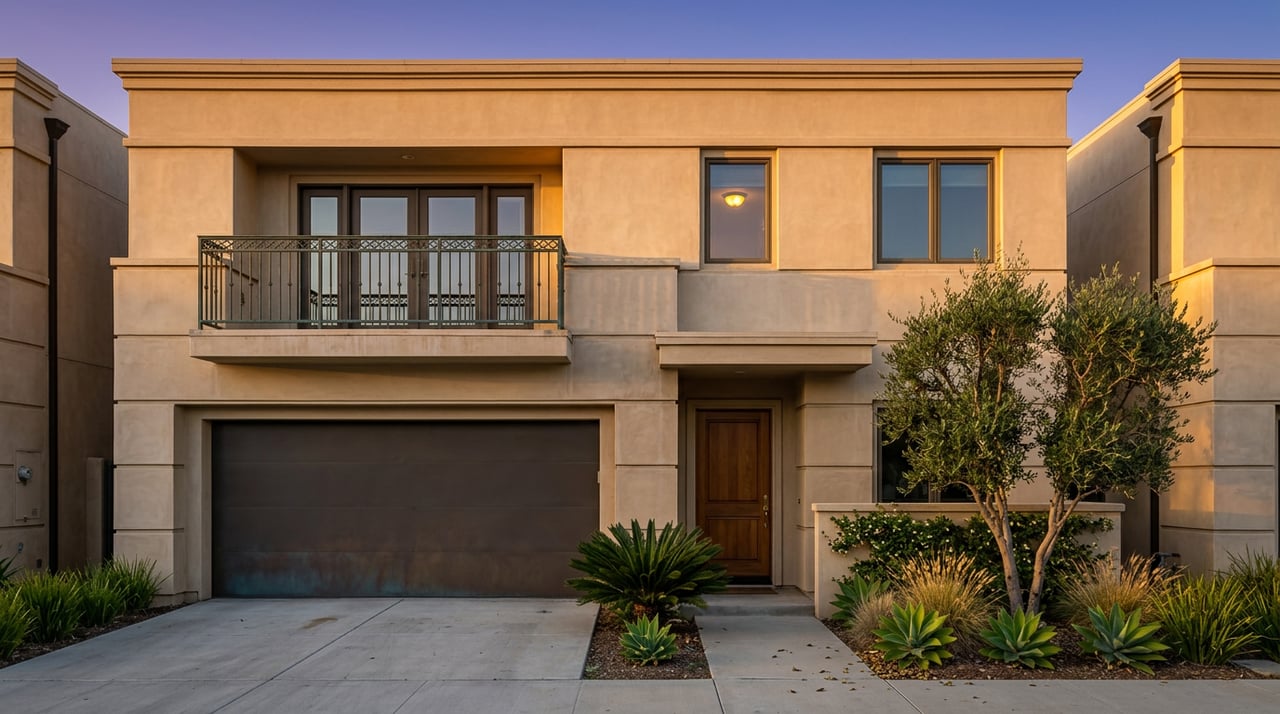
Pico-Robertson offers a mix of housing rather than one dominant product type. Planning documents describe the area as predominantly single-family and multi-family neighborhoods, while the nearby built environment includes duplexes, triplexes, apartments, condos, and some larger homes, according to Los Angeles City Planning staff materials.
That variety is useful if you are buying with both lifestyle and budget in mind. Some buyers focus on condos or smaller multi-unit buildings to stay close to the corridor. Others stretch for a single-family home and weigh whether the added space is worth a different location or tradeoff.
Budget Tradeoffs to Expect
Pricing data in the research places Pico-Robertson in the low-to-mid seven figures, depending on the source and how the neighborhood is defined. The report notes estimates such as Zillow’s average home value at about $1.35 million and Realtor.com’s median home sale price at about $1.14 million.
The practical takeaway is simple: the closer you want to be to your preferred destinations, the more likely you are to weigh tradeoffs. Those tradeoffs often involve interior space, parking, lot size, and whether you choose a condo, apartment-style residence, or single-family house.
Here is a simple way to think about it:
| Priority | Common Tradeoff |
|---|---|
| Closer walk to shuls | Less space or higher price |
| More interior space | Longer walk or different route |
| Single-family home | Higher budget or wider search area |
| Easier parking | Different property type or location |
Why a Wider Search Can Help
Pico-Robertson does not always fit neatly into one simple boundary. The research notes that the neighborhood overlaps adjacent planning areas and edges into nearby Beverly Hills and West Los Angeles. Because of that, some buyers widen the search to nearby blocks that still connect to the same shul-and-kosher ecosystem.
This does not mean every nearby block will feel the same. It means you may find good options just outside a strict Pico-Robertson label if your real goal is access to the same corridor and community infrastructure. For buyers coming from outside the area, this wider lens can open up more inventory and more price points.
Community Infrastructure Beyond Shuls
A neighborhood built for pedestrian religious life usually needs more than prayer spaces alone. The research points to additional infrastructure, including Mikvah Esther’s rebuilding effort and a neighborhood map referenced by Anshe Emes that marks shuls, kosher restaurants, markets, hotels, a hospital, and a mikvah.
That broader infrastructure can matter when you are deciding whether this is the right long-term fit. It helps show that Pico-Robertson functions as a connected daily-life environment, not just a place with a few isolated destinations.
How to Buy More Strategically Here
If you are considering a purchase in Pico-Robertson, clarity matters more than broad browsing. Before touring homes, define the destinations and routes that matter most to you. That will help you avoid wasting time on listings that look good online but do not support your actual routine.
A practical approach is to:
- Identify the specific shul or institutions most important to your household
- Decide what walking route feels realistic for you
- Set priorities for home type, space, and parking
- Compare strict Pico-Robertson options with nearby blocks that may offer similar access
- Weigh convenience against price with clear expectations
When you do that upfront, your search becomes much more efficient. You are no longer just buying in a neighborhood. You are buying for a lifestyle pattern.
If you want help evaluating Pico-Robertson through that lens, Brandon Kaufman can help you narrow the search, weigh tradeoffs, and move forward with a practical plan that fits your goals.
FAQs
What does walking distance to shuls in Pico-Robertson usually mean?
- It usually means walking to a specific shul along a route that fits your household’s personal preferences and standards, rather than using one universal distance.
Are kosher groceries and restaurants easy to reach on foot in Pico-Robertson?
- Often yes, because many kosher markets, bakeries, restaurants, and community destinations are clustered along and near Pico Boulevard.
What types of homes can you buy in Pico-Robertson?
- Buyers typically find a mix of condos, apartments, small multi-family buildings, duplexes, triplexes, and single-family homes.
Is Pico-Robertson considered walkable by Los Angeles standards?
- Yes, the research cites Walk Score ratings of 84 for South Robertson and 85 for Pico, which indicate a walkable area by local standards.
Should buyers look outside strict Pico-Robertson boundaries?
- In many cases, yes, because nearby blocks in adjacent West LA or Beverly Hills edges may still offer access to the same shuls and kosher business corridor.